
Ethnic enclaves are the bane of Kenya
I want to tell you about “my” music this Sunday.
My distant forebears emerged from the Punjab region in India and Pakistan, the land of the five rivers. The farmers living in this fertile land had plenty of time in which to develop their folk music, and they did a fine job. The music of the Punjab is exuberant and full of the joy of life. It has spread around the world, and is known by youngsters in all corners of the globe as the “Bhangra” beat.
To this day when I hear that exultant and irrepressible pulsation, my feet start to tap and my shoulders begin to quiver. No matter what mood I am in, my spirits lift and the world starts looking a little better. That is the power of music that is authentic and rooted in folk culture. It gives us identity and succour.
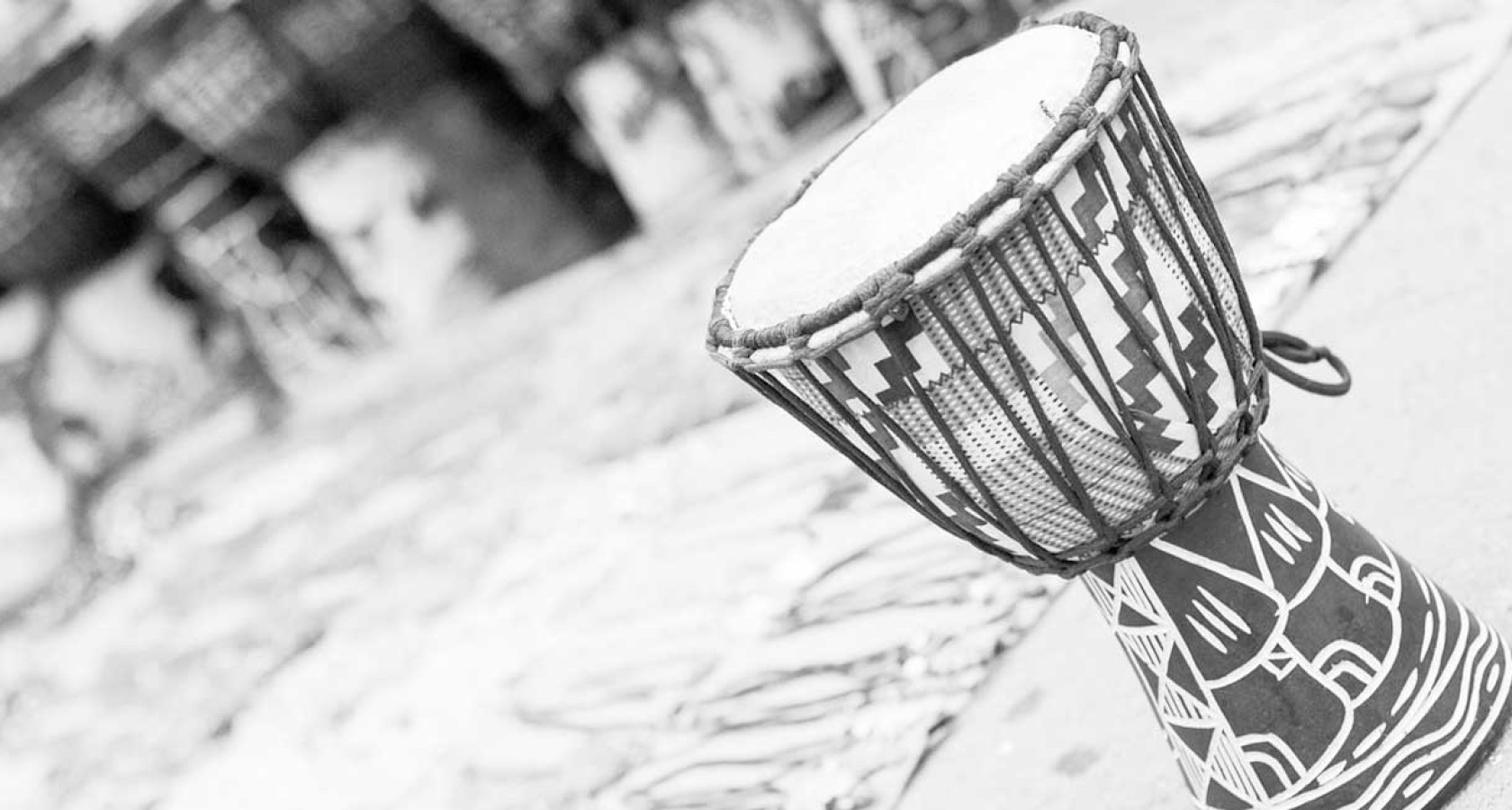
You don’t have to like my folk music, for you will have your own. For many of you, the effect will be identical. Your music, sung in your language using your instruments and about your people, undoubtedly stirs you in ways that acquired songs will not.
But here’s the thing. Just because I am so very fond of my music does not mean that is all I listen to. This one gives me roots, but I find different flowers to smell everywhere. I have a lifelong passion for the energy and laconic lyrics of rock music. The soaring crescendos of western classical symphonies can also leave me breathless. The poetry that emerged from Persia and melded with the classical music of South Asia is central to my life. And there is no doubt in my mind that few people can sing better and with more natural verve than vocalists of African origin.
If my music was all I allowed myself, I would be a sad and pathetic figure. I am given strength by what is mine, but I am enriched by what I learn from others.
Why I am telling you all this? The other day, my wife and I were sitting in the garden section of a well-known restaurant. A GoK Mercedes pulled, up, with a Kenyan flag fluttering. The driver was visible, but the rear windows were tinted and the occupants hidden. Without a second glance, I told my wife: whoever will emerge from the back will be a Muslim.
And low and behold, the driver ran to open the back door and a Muslim personage stepped out. Before you ask, I possess no unnatural powers and cannot see through opaque windows. I just know my fellow Kenyans very well. The driver was wearing a Muslim cap, you see. It was obvious that his boss would be a Muslim as well.
This has nothing to do with Muslims per se. It is just that they possess distinctive attire. Had the driver been a Kalasinga, a Kalasinga minister would most likely have been sitting at the back. Had the driver been visibly a Luo or a Kikuyu or a Kalenjin or anything else, a fellow tribesman would have emerged from the rear.
For that is the tragedy of Kenya. We only trust our own. Our drivers, our bodyguards, our trusted confidantes can only be people who hail from the same enclave of the country. No one else can be brought into the inner circle. Our own music has mesmerised us, and we can listen to nothing else. Look at every leader around you, and tell me if this is not true.
In government ministries, you will guess the tribe of the minister by just looking at the high-level appointments. In our private companies, you will very often be able to make the same prediction. Large conferences often bring Kenyans of all shades together; but watch them during the breaks – people of the same origin will be huddled together. Even our slums are ethnically divided!
The wahindi live amongst the wahindi, and trade with their own. The wazungu of Kenya do exactly the same thing. We only trust the people of our own kabila to be our friends, our associates, our trusted suppliers. The supremacy of our people is dear to us all. And this is a shame and a tragedy. It is the bane of Kenya. It is what keeps us poor and stupid. We are blessed with the diversity to be another USA; instead we are a collection of tribal kingdoms.
Let me not mince my words. There are very few Kenyans who can rise above ethnicity and see beyond origin. Those few who nurture friendships and deep associations across tribal boundaries: I applaud you and salute you.
To the rest, I can only say this. You think you find strength in being steeped in your own culture, but you are merely an ant who knows only the shade of one tree. You are losing out on life’s riches, on its possibilities. You are a dwarf, and your bigotry is in turn retarding your nation.

Buy Sunny Bindra's book
UP & AHEAD
here »




Popular Posts
 Why contentment is a state we should all hope to attainMarch 31, 2024
 All the talent we ignore will find a homeMarch 24, 2024
 The essence of a good business? Always the sameApril 14, 2024
 Next time you hit a difficulty—use it!March 10, 2024