
How different will tomorrow’s world be from today’s?
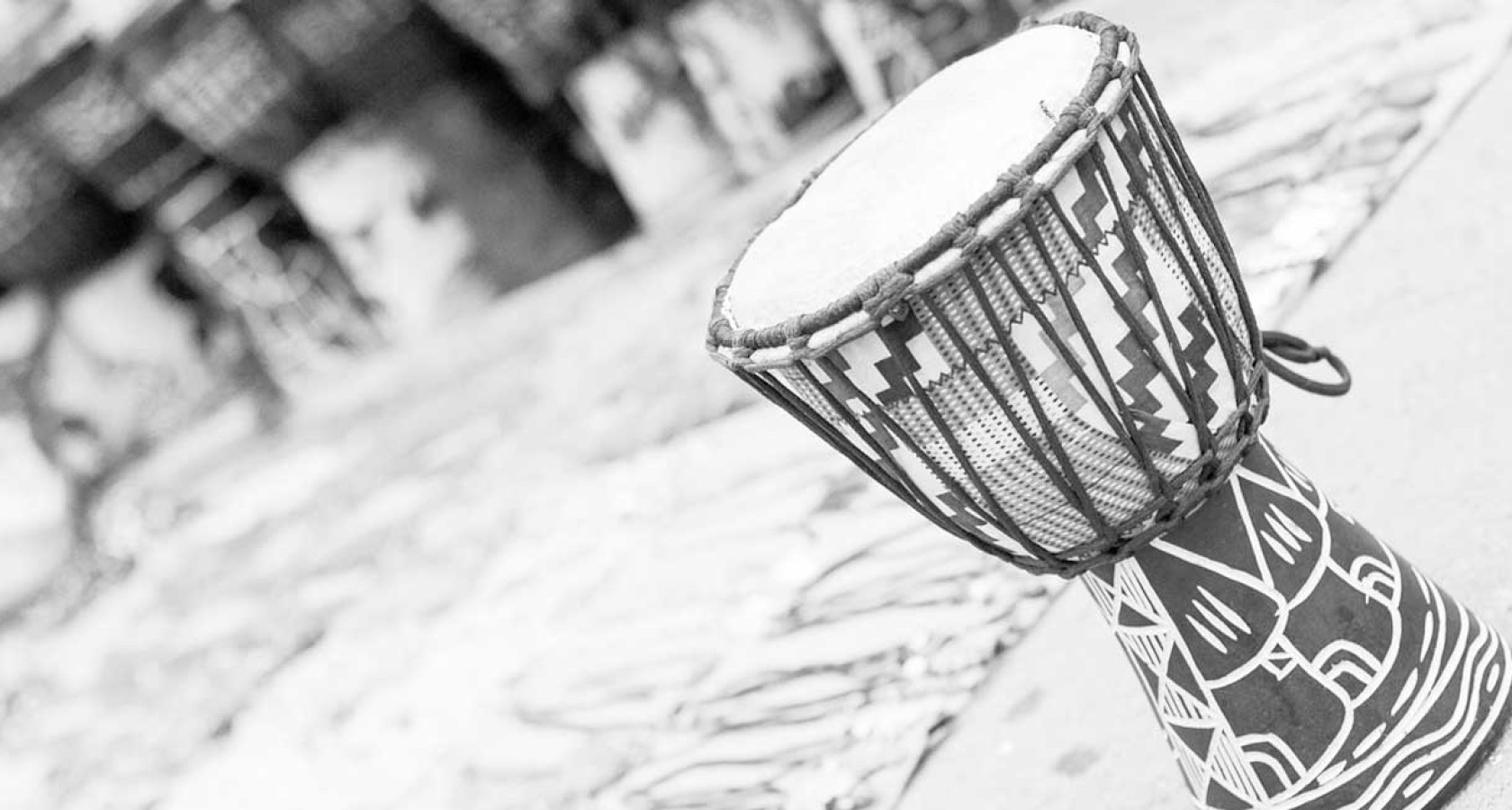
“Tonight, I will be meeting friends in a restaurant (tavernas have existed for at least 25 centuries). I will be walking there wearing shoes hardly different from those worn fifty-three hundred years ago by the mummified man discovered in a glacier in the Austrian Alps. At the restaurant I will be using silverware, a Mesopotamian technology…I will be drinking wine, a liquid that has been in use for at least six millennia. The wine will be poured into glasses, an innovation claimed by my Lebanese compatriots to come from their Phoenician ancestors…”
NASSIM NICHOLAS TALEB Antifragile (2012)
We are obsessed with disruption these days. We have seen what astonishing new technology has done to a swathe of industries and products. We have watched giant companies fall at an unprecedented rate. We have seen smartphones and tablets dethrone computers, newspapers, atlases, encyclopaedias, music stores and bookshops.
If asked to predict the future, therefore, we rely on tech futurists who tell us amazing tales of wearable computing attached to clouds and digital wallets.
Enter Nassim Nicholas Taleb, professional contrarian and iconoclast, and one of the world’s most entertaining raconteur-authors. Taleb debunks hype and insubstantial argument wherever he finds it, and relies instead on age-old wisdoms. His new book, ‘Antifragile’, is no different. It is a rollicking ride, and will feature on this page again.
Look at today’s excerpt. Taleb is pointing out that many of the essential products we take for granted haven’t changed at all, for millennia, and may never need to change. Your favourite tipple, for example, is very likely produced using the same technology for centuries – and costs you more if it convinces you that it adheres to ancient traditions.
In the book, he points out that sometimes it is the simplest innovations that have the most beneficial impact: putting wheels on suitcases, for example. Why did that take so long to figure out? Perhaps because people were looking for ‘transformations’ when ‘improvements’ were the only thing needed?
Taleb also tells us that if you reread the predictions of ‘futurists’ from a few decades ago, we should all today be wearing synthetic clothes, eating only nutritionally optimized pills and zooming around in flying chairs…but none of that has really happened (except when you take too much of that favourite tipple, perhaps).
So which is it? Should business leaders prepare their organizations for ‘moonshots’, as I argued here a couple of weeks ago? Or manage timeless continuity? The answer, of course, is both. Some things are ripe for change, and will blow the prior version of the product away, as digital photography did to film. But what real step-change improvements can be made to wine, or cheese, or chairs, or even bicycles, which are enjoying a resurgence?
Taleb’s advice is this: don’t just make vapid leaps into imagined futures; have a great respect for literary culture and the historical record, so that you also understand which things survive and why.
Some technologies are inefficient and ineffective, and await fundamental displacement. Others have stood the test of time, and require only maintenance of quality and small improvements. Are e-books the future, for example? Yes, because they allow you to acquire books very quickly and cheaply without leaving your chair, and carry thousands with you on your little gadget. And no, because they subtract from the tactile and sensory experience of paper and bookshelves, which many customers adore. So it is not obvious that the two technologies will not coexist.
At the end of the day, neither Taleb nor I can tell you what will last, and what will wither. That requires a degree of wisdom and insight that can only come from a curiosity about where humankind has come from, and where it might be going. And that’s for you to work out for your business.
Buy Sunny Bindra's book
UP & AHEAD
here »



Popular Posts
 Why contentment is a state we should all hope to attainMarch 31, 2024
 All the talent we ignore will find a homeMarch 24, 2024
 The essence of a good business? Always the sameApril 14, 2024
 Next time you hit a difficulty—use it!March 10, 2024